The long-term benefits of fiber infrastructure
We all notice spotty WiFi signals and dropped video calls, but we might not think much about the infrastructure that powers our internet. Here’s the thing: the cables running into homes and buildings have a massive impact on the environment, and not all internet infrastructure is created equal.
Fiber internet wins big when it comes to longevity, and that has real environmental benefits worth understanding.
The Lifespan Gap
Traditional cable internet infrastructure needs replacement every 15-20 years. Copper wires corrode, degrade from weather, and wear out from constant electrical current running through them.
Fiber optic cables? They can last 30-40 years or more with minimal maintenance. That’s infrastructure that could still be serving the next generation without needing a complete overhaul.
Less Waste, Fewer Disruptions
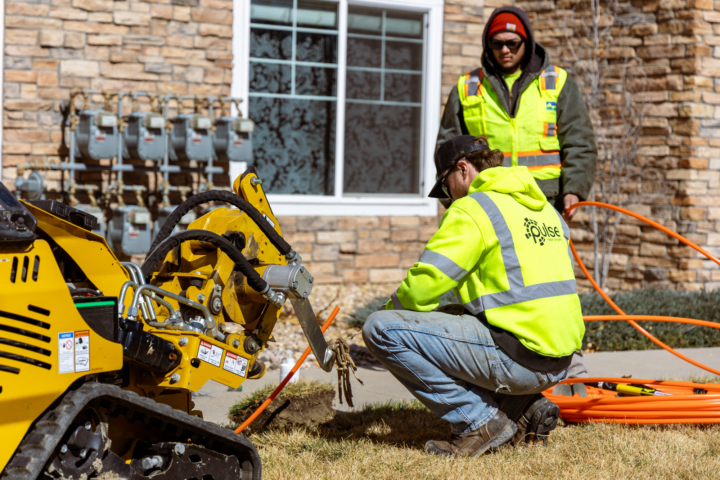
Every time old cable infrastructure gets replaced, it creates tons of waste, literally. Tons of copper wire, plastic casing, and electronic equipment head to landfills whenever cable networks get updated. This installation process means construction crews digging up streets, disrupting neighborhoods, and consuming resources.
With fiber lasting twice as long, these replacement cycles happen half as often. That’s half the waste, half the disruption, and half the resource consumption over time.
Fiber optic cables are also more resistant to water damage and corrosion, which means they’re more reliable in all weather conditions, including the summer storms or winter freezes we see here in Colorado.
The Reliability Factor
Here’s something you’ll actually notice: fiber is way more reliable than cable. Fewer outages, fewer service disruptions, fewer times you’re stuck waiting for a technician to show up.
Every service call means a truck rolling out, burning fuel, and creating emissions. Fiber’s reliability means fewer of those trips which adds up to lower emissions over time.
Materials Matter
Copper cables require environmentally damaging mining operations. Copper is a finite resource that comes from destructive open-pit mines that scar landscapes and create massive amounts of pollution.
Fiber cables are primarily made from a specific type of glass that comes from sand. Sand is one of Earth’s most abundant materials. The environmental impact of sourcing materials for fiber is dramatically lower than mining copper.
Why This Matters
If you’re living in an apartment building or condo, you might think you don’t have control over the infrastructure. But as more people demand fiber internet and choose providers that offer it, property owners pay attention. More demand means more installations. Your choice as a consumer actually pushes the market toward more sustainable infrastructure.
Plus, homes with fiber infrastructure are increasingly seen as more desirable, which raises the market value of your home. Switching to fiber not only helps the environment, but also benefits you in the long run.
Bottom Line
Fiber isn’t just faster and more reliable, it’s built to last decades. Less frequent replacements mean less waste, fewer disruptions, and lower environmental impact over time.
Last updated on June 1st, 2026